
Workplace and visitor charging
Parking duration, shared access and how spaces turn over affect the number of ports and their power. Staff who park all day may need a different arrangement from short-stay visitors.
CHARGING FOR PEOPLE WHO USE THE PROPERTY
Workplace staff, residents and fleet drivers use chargers in different ways. Solir Electric plans and installs commercial EV charging in Sacramento around parking time, electrical capacity and how the equipment will be managed after installation.
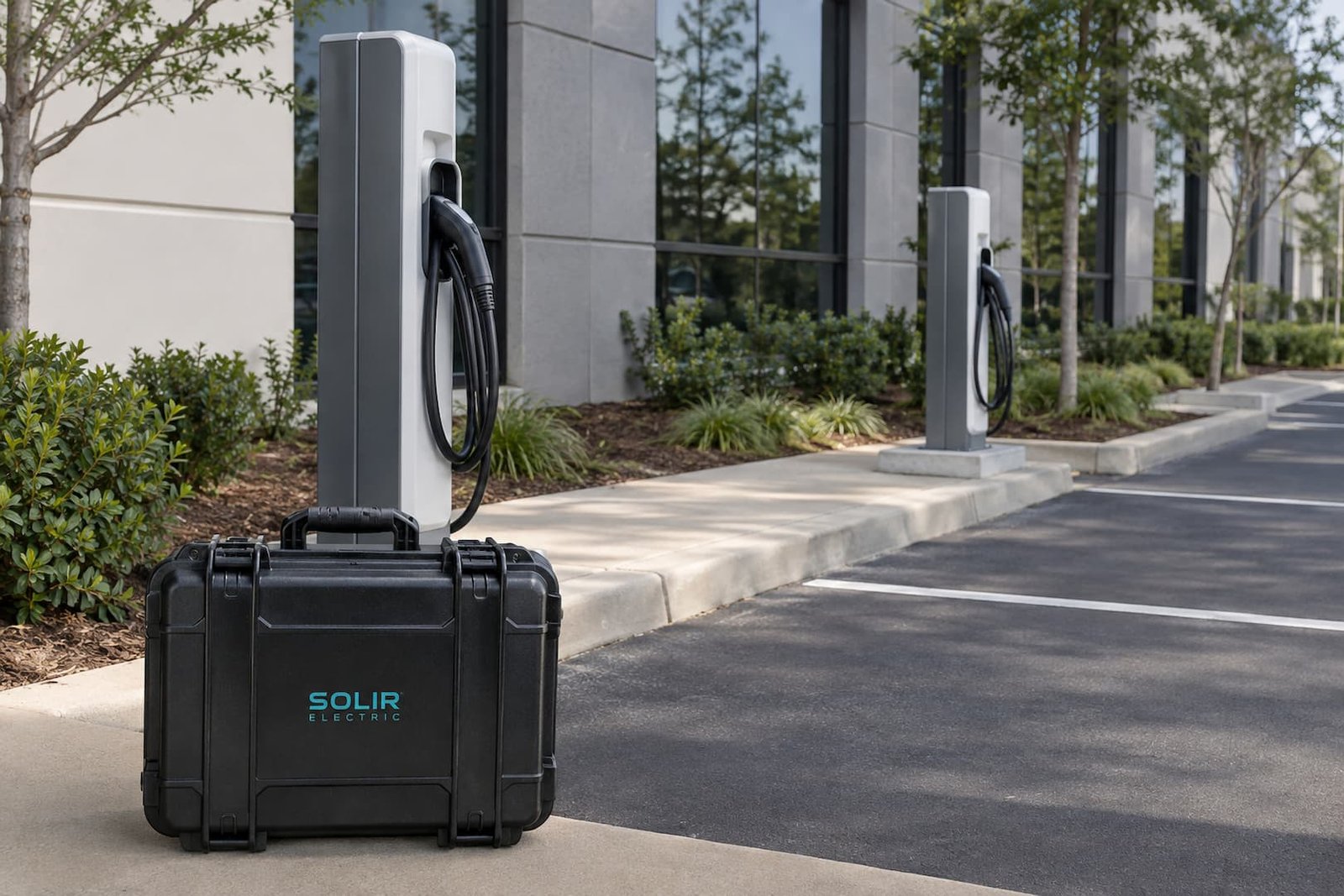
Parking duration, shared access and how spaces turn over affect the number of ports and their power. Staff who park all day may need a different arrangement from short-stay visitors.
Resident access, assigned parking, payment rules and future demand shape the project. We discuss the electrical route alongside the property manager’s plans for ownership and ongoing operation.
Daily mileage, return times and the next departure determine the available charging window. Vehicle specifications and simultaneous demand help establish whether managed Level 2 charging fits the duty cycle.
Commercial charging can add a substantial continuous load. We review existing service equipment, available capacity and the proposed charging demand. Empty breaker positions do not establish that the building can support the added power.
Managed charging can distribute available power between compatible stations. Whether it suits the property depends on the vehicles’ energy needs and how long they stay parked. The design must still provide a workable charging outcome during busy periods.
Conduit, pathways, equipment space and the route to future stalls may be worth planning before surfaces are restored. Future provisions and live charging ports should be clearly distinguished in the proposal.
A future-ready pathway is not a promise of unlimited electrical capacity. Later expansion can still require equipment, utility review or a revised load calculation.
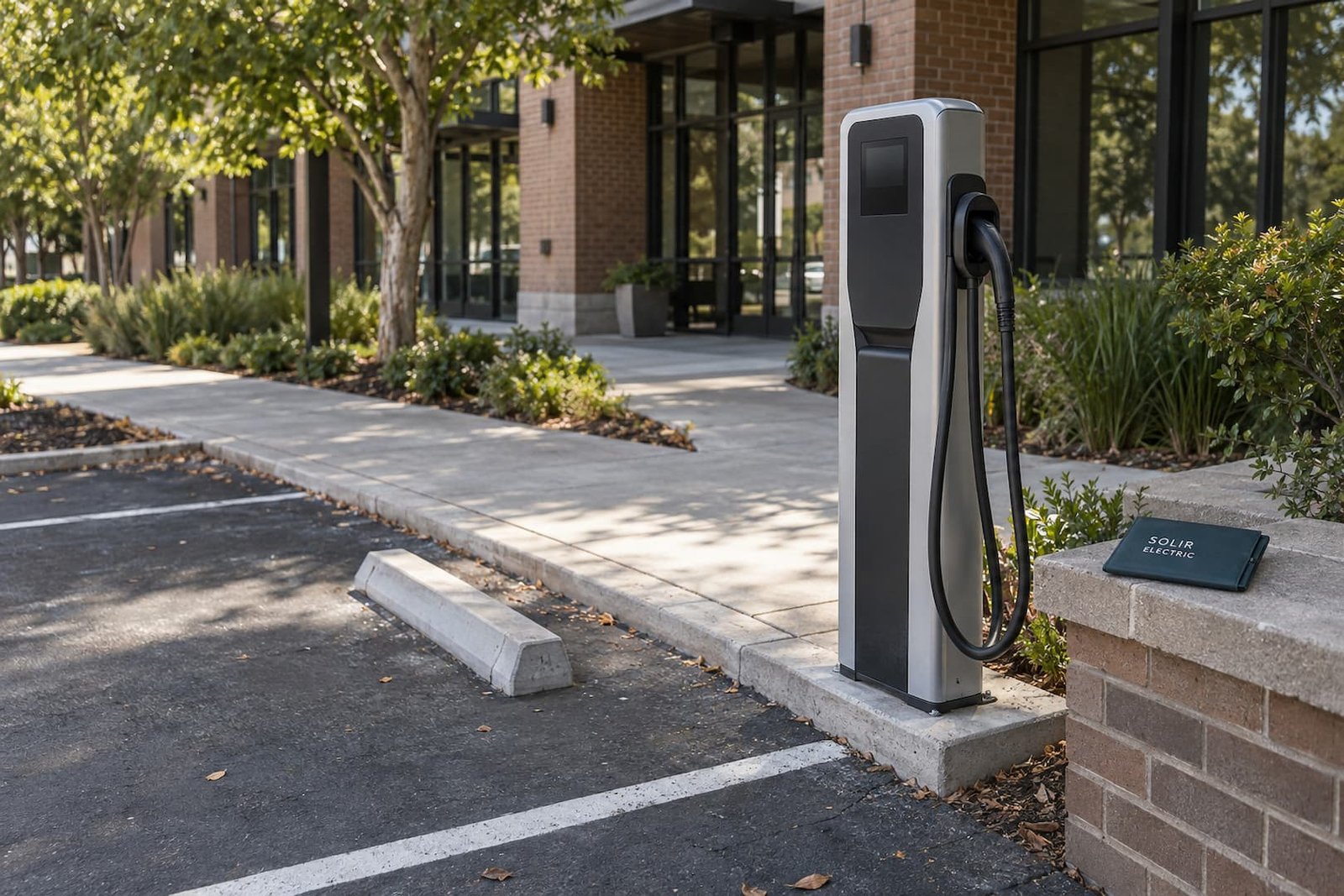
Station placement affects cable reach, pedestrian routes and vehicle access. Pedestals, wall mounts, equipment protection and the distance to the electrical source all influence the construction scope.
Accessible charging and the applicable site requirements need to be considered with the layout. Trenching through paved areas, working around drainage and restoring striping or landscaping can involve other trades.
We discuss the route and installation responsibilities before work begins. A short distance on a site plan can still involve difficult access, existing utilities or an occupied building between the panel and the parking area.
A charging project includes choices about station access, network connectivity, user accounts and maintenance. Some properties need simple staff charging; others need resident billing, visitor payment or fleet reporting.
Confirm the vehicle inlet types and supported charging equipment. NACS and J1772 compatibility, approved adapters and the vehicle’s onboard charging limit should be considered for the actual users.
Confirm network coverage, software requirements and who owns the administrative account. Ongoing subscriptions, transaction fees and support contracts depend on the chosen platform and belong in the operating budget.
Cost drivers include port quantity and output, wiring distance, service changes, trenching, pedestals, protective barriers, communication pathways and surface restoration. Design documents, permits and utility requirements can add scope before installation starts.
Commercial approvals differ from a simple residential charger project. We review the installation needs with the relevant jurisdiction and utility process. Where a project requires engineering, site design or other specialist input, those responsibilities should be clear before procurement.
Ask about incentives before committing to equipment or construction. Eligibility may depend on the program, equipment, contractor participation, timing and available funding. Solir Electric does not guarantee a rebate or assume that a property qualifies because it is in Sacramento.
For the first discussion, send the address, a parking plan if available, proposed port count, vehicle use and expansion goals. Your facilities or property-management contact can also identify shutdown windows and access restrictions.
Before you book
We can discuss multifamily charging projects, including the electrical installation and property-specific access requirements. Approval from the property owner or association, parking arrangements, metering and the chosen operating model all affect the scope.
Compatible equipment can use load management to distribute a defined power budget. The design needs to satisfy the vehicles’ charging needs during the available parking window. Sharing power is useful only when the resulting charging service fits the users.
That depends on how quickly vehicles must return to service. Level 2 may suit longer dwell times, while rapid turnaround can call for a different project scale. Discuss the duty cycle first; DC equipment can involve substantial utility and site requirements.
Compatibility depends on the connector, vehicle inlet, equipment and any approved adapter. We review the expected vehicles and station requirements. A brand-neutral installation plan should still check the actual models that will use the site.
The property owner and selected network provider determine that arrangement. During scoping, identify the administrator, billing expectations and support responsibilities. Those services are separate from the electrical construction unless specifically included.
Yes, we can discuss pathways and electrical provisions for a later phase. The plan should state what is installed now and what remains before charging can begin. Future utility capacity and equipment compatibility still need review.
Talk to Solir Electric
Tell us who will charge, how long vehicles stay and the number of ports you are considering. Include the parking location and any plans to add vehicles or expand charging later.