
Hardwired equipment
Heating and cooling controls, built-in appliances and other permanently connected equipment may benefit from protection at the electrical distribution equipment. We review what you want to protect and where it connects.
Protect connected equipment
Appliances, heating and cooling equipment, and home electronics contain sensitive controls. Solir Electric installs surge protective devices at compatible electrical equipment and explains how they fit into your home's protection plan.
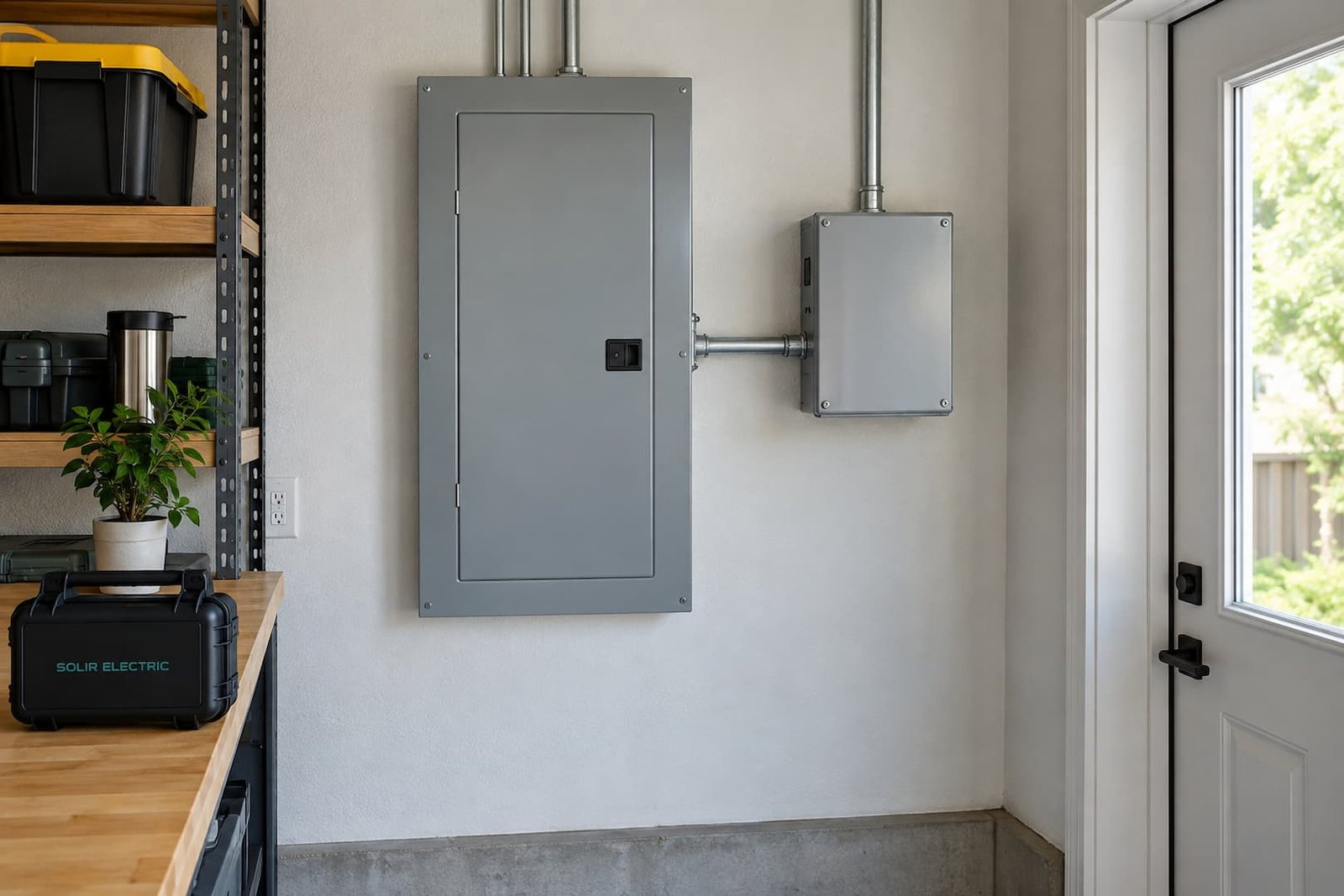
A surge protective device, or SPD, limits transient overvoltage on the electrical system. Installed at the appropriate point, it adds protection for connected circuits, including equipment that cannot use a plug-in strip.
Surges can originate outside the home or from switching electrical loads inside it. Surges vary in size and duration. The choice of device and the quality of its installation both matter, so we assess the panel and electrical system before recommending equipment.
Heating and cooling controls, built-in appliances and other permanently connected equipment may benefit from protection at the electrical distribution equipment. We review what you want to protect and where it connects.
A suitable point-of-use surge protector can add another layer for computers, televisions and similar loads. An ordinary power strip is not necessarily a surge protective device. Check the actual product rating and instructions.
| What we review | Why it matters |
|---|---|
| Service and panel arrangement | The device must suit the system voltage and its intended installation point. |
| Panel manufacturer and available space | Connection methods, approved breakers and mounting options differ between equipment. |
| Product listing and ratings | Device type, voltage protection ratings and intended use need to match the application. |
| Connection route | The manufacturer's requirements for conductors, routing and length affect the installation. |
| Status indication | You need a practical way to see whether the device still indicates protection. |
Type 1 and Type 2 identify different installation applications; they are not a simple ranking of quality. We choose the type and connection arrangement for the actual equipment. We compare the relevant ratings and installation requirements together.
If the existing enclosure or connections are damaged, that issue belongs in the plan. See our electrical panel service for work focused on panel condition or capacity.
Breakers protect against certain overcurrent conditions. GFCIs address certain shock hazards. Grounding and bonding provide required electrical paths. An SPD has a separate role, so adding one does not remove the need for any of these measures.
We consider the visible grounding and bonding arrangement when reviewing the installation. An identified defect needs its own correction. Our grounding and bonding service explains those connections in more detail.
If lights are repeatedly getting unusually bright or dim, or equipment is failing without an obvious cause, start with diagnosis. Installing a surge protector is not a substitute for investigating a persistent electrical fault or a supply issue.
Send a photo of the closed panel and its label, plus a description of the equipment you are concerned about. We assess compatibility and access.
We explain the device, connection location, related work and any interruption needed. The estimate identifies that work before installation begins.
We install to the applicable requirements and manufacturer instructions, check the relevant connections and confirm the device's status indication.
Device selection, the panel arrangement, mounting space and connection requirements influence cost. Any repair needed at the equipment is separate from simply fitting an SPD. A service-side installation may involve additional coordination compared with an installation on the load side.
Permit requirements follow the scope and the authority responsible for your Sacramento-area address. We check the proposed work against that process. Adding surge protection during other panel work may be practical, but it should still appear clearly in the scope.
Before you book
It adds protection to the electrical system but cannot guarantee protection from every surge or every path into connected equipment. Some equipment may benefit from additional point-of-use protection.
It does not supply backup power. Surge protection and backup systems serve different purposes, although restoration of power is one situation in which transient events may occur.
Often there is an appropriate option, but we need to check the panel, system voltage, available space and approved connection method. A photo helps with the initial review.
A plain power strip may offer no surge protection at all. A rated plug-in SPD serves the equipment connected to it; protection at distribution equipment serves a broader part of the electrical system.
Follow the device's status indicator and maintenance instructions. Some units continue passing power after protection is depleted. We show you what the installed model's indicators mean.
It is a useful time to review it, and applicable requirements may address surge protection for that work. We include the appropriate device and scope based on the project.
Talk to Solir Electric
Describe the appliances or electronics you want to protect and include the panel manufacturer if known. Mention any planned panel work or recurring electrical symptoms so we can distinguish installation needs from faults that require diagnosis.