
Replace a panel
Replace unsuitable or damaged distribution equipment. A replacement can keep the same service capacity when that capacity remains adequate and the installation meets applicable requirements.
Capacity starts with the whole electrical system
Adding an EV charger or replacing an aging panel starts with two questions: what condition is the existing equipment in, and how much electrical capacity does the property need? Solir Electric checks both before recommending a panel replacement, service upgrade or subpanel.
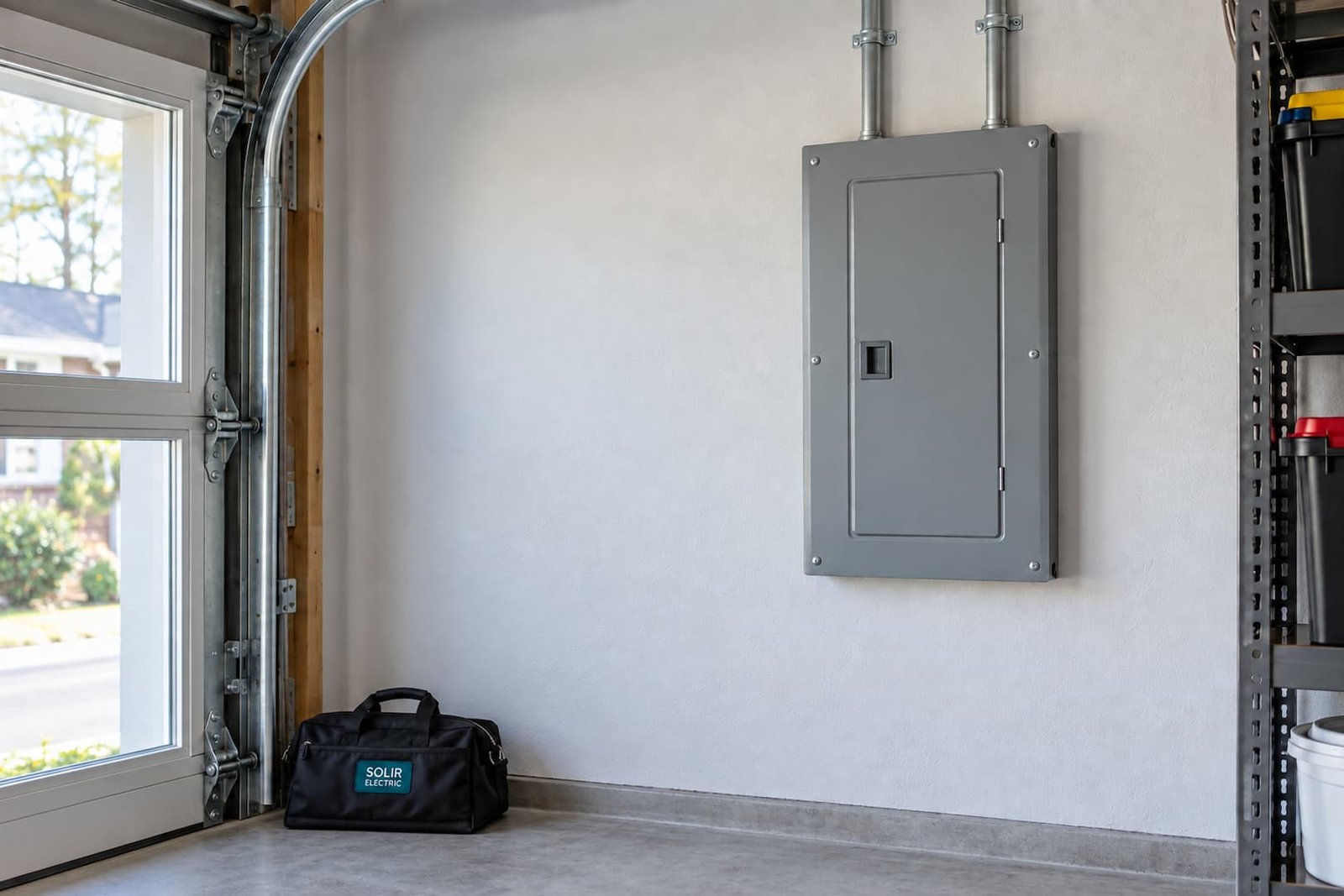
Choose the right scope
These terms often appear together in an estimate, but they solve different problems. We compare the existing service and equipment condition with the circuits and loads you need.
Replace unsuitable or damaged distribution equipment. A replacement can keep the same service capacity when that capacity remains adequate and the installation meets applicable requirements.
Increase the capacity available to the property. This can involve the panel, meter equipment, service conductors and utility infrastructure. Installing a larger box alone does not increase the utility supply.
Provide a distribution point for additional circuits or a distant part of the building. A subpanel needs a suitable feeder and available capacity upstream; it does not create capacity by itself.
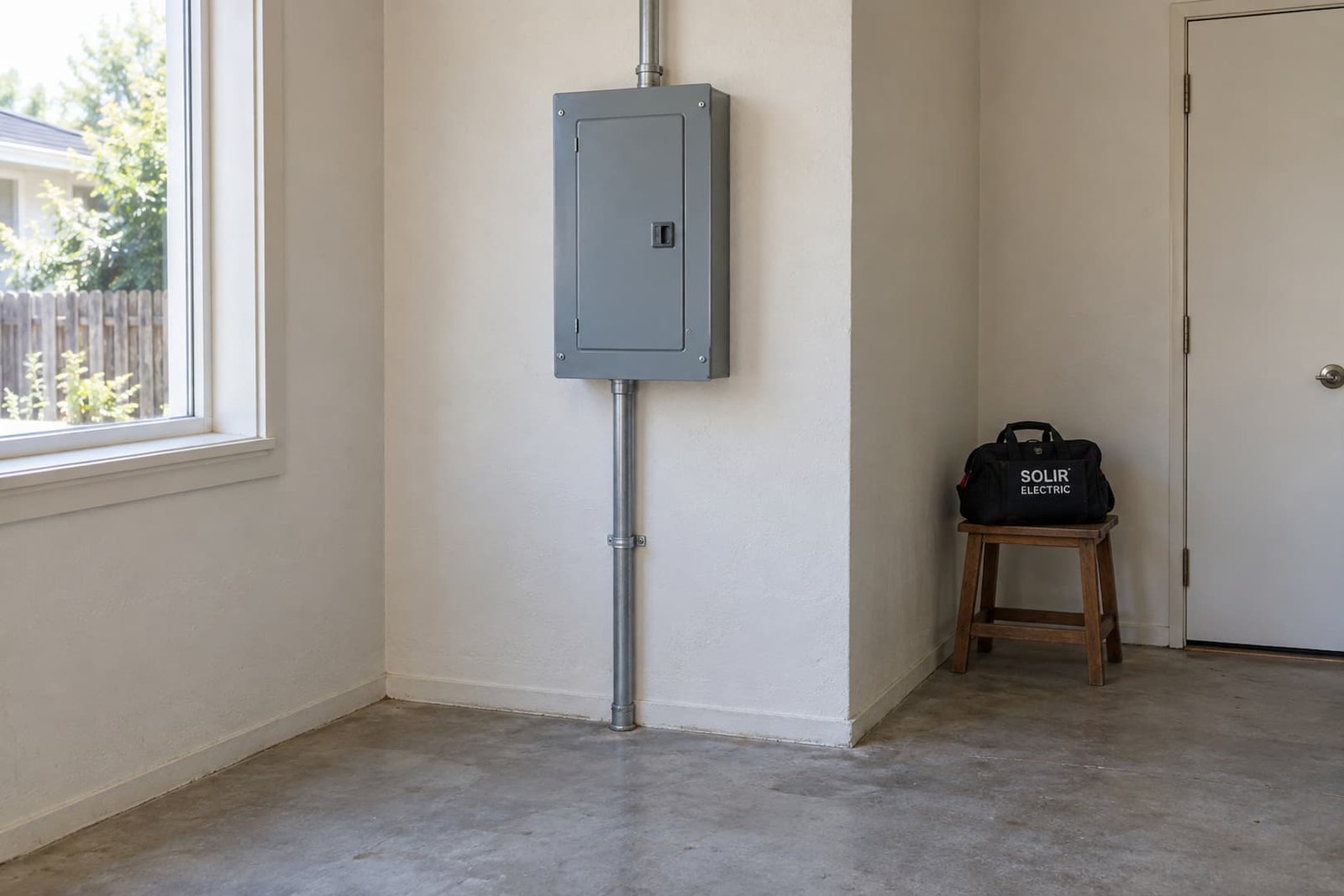
A load assessment considers the existing installation and the equipment you plan to add. Share plans for an electric range, heat pump, water heater, EV charger, workshop or addition at the outset. Planning them together can avoid paying twice for access and electrical work.
Available breaker spaces are only one part of the picture. We also consider the panel rating, existing loads, compatible breakers, service configuration, wiring condition and the space needed to work around the equipment.
The assessment tells us whether the property needs more capacity. For an EV charger installation, a suitable lower charging rate or compatible load management may be another option. Equipment condition can still justify replacement even when the calculated load fits the present service.
Corrosion, heat damage, missing covers, damaged components or unreliable operation need attention. A breaker that repeatedly trips can also point to a fault elsewhere on the circuit. We assess the cause before deciding whether a compatible breaker replacement, circuit correction or panel replacement is appropriate.
If you notice smoke, active arcing or a burning smell at the panel, keep away and seek emergency help. Do not remove the cover or touch equipment that appears damaged. For a fault that has interrupted power, our electrical repair service starts with tracing the problem.
The Sacramento part of the project
Panel and service work must follow the requirements of the building authority for your address. Sacramento city and unincorporated Sacramento County have separate permitting processes. The scope determines what drawings, calculations and inspections the project needs.
The utility has its own requirements where the work affects its connection. SMUD distinguishes meter and panel connection work from projects that need broader construction services. Its new connections guidance is a useful starting point for that coordination.
Overhead and underground services can involve different access and construction work. An underground service upgrade may depend on the existing conduit and service conductors; the utility determines whether those components can remain.
The work sequence needs to account for the permit, utility arrangements, installation, required inspection and reconnection. We discuss the expected interruption and dependencies before a shutdown is scheduled. Utility and inspection availability can affect the calendar.
If an inspection report names a Zinsco or Federal Pacific Electric (FPE) panel, send the report and a photo of the accessible equipment label. Solir Electric assesses these replacement projects by reviewing the panel assembly, breaker compatibility, visible condition and circuits it serves. Fitting a different breaker does not by itself address concerns about the rest of the assembly.
A fuse box replacement needs a similar review of the incoming supply and existing circuits. We identify the new distribution equipment, circuit transfers and any grounding or wiring corrections involved. Replacing the fuse box does not automatically replace the wiring throughout the house.
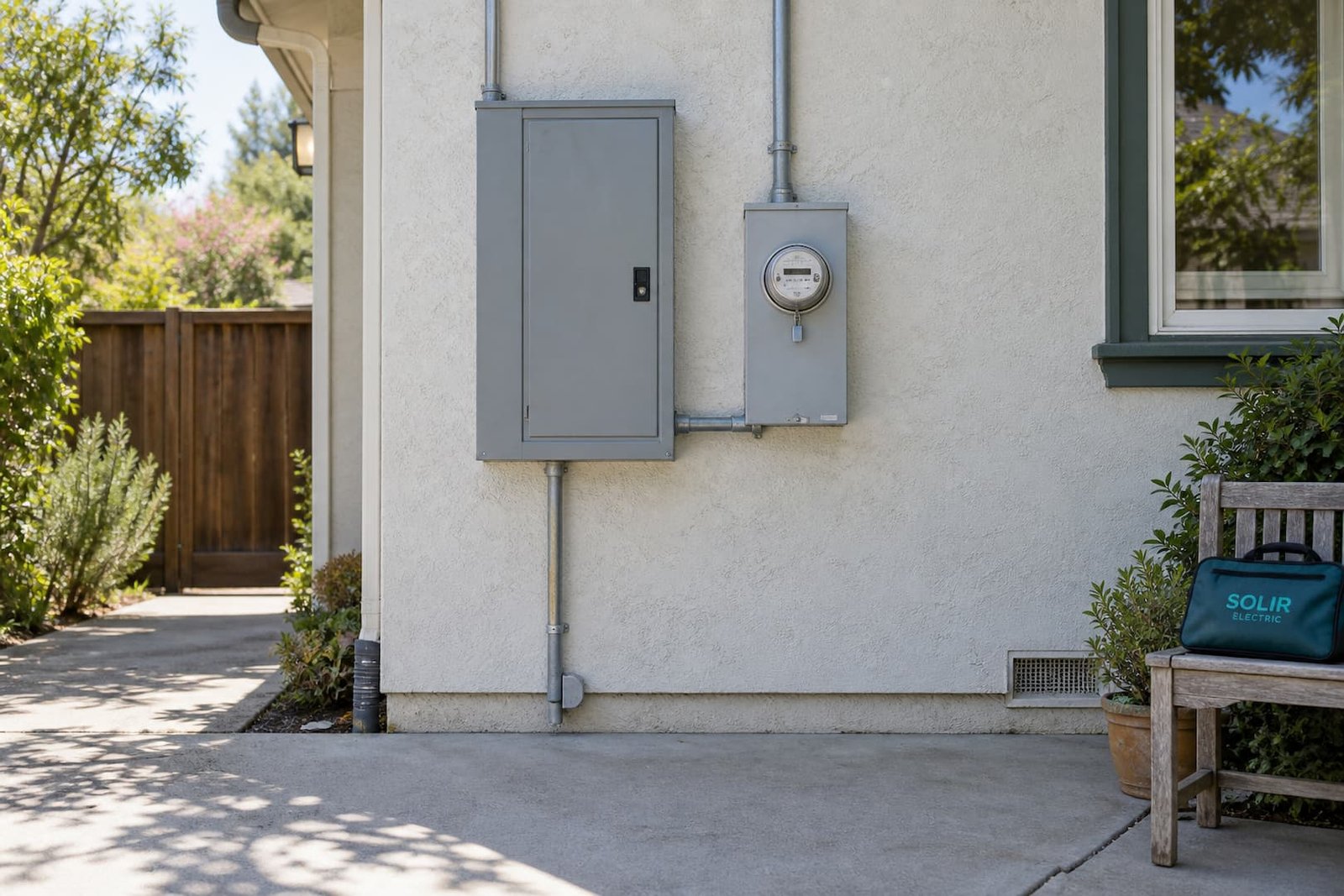
The price depends on more than the panel’s amp rating. Equipment type, circuit count, feeder and service work, relocation, grounding and bonding corrections, site access and wall finishes can all change the scope.
Before you book
No single rating fits every property. The load calculation, equipment condition, existing service and planned additions determine the recommendation. A smaller service may be adequate; a property with substantial new loads may need a different solution. Start with the assessment.
It can provide additional circuit spaces if the existing system has capacity and a suitable feeder can be installed. It does not increase the capacity supplied to the property. We check both circuit space and electrical load before recommending one.
Possibly. The available capacity, vehicle charging needs and installation requirements determine the options. A lower configured charging rate or compatible load management may help. Those options need a site-specific assessment and do not resolve damaged equipment.
The interruption depends on the work and the inspection and utility sequence. A service relocation or underground change can involve more coordination than a straightforward replacement. We discuss the shutdown plan once the scope is known; reconnection depends on the required approvals.
A panel replacement and whole-house rewiring are different scopes. Existing circuits may remain if their condition and configuration allow. If testing or inspection reveals wiring that needs correction, that work should be identified separately in the proposal.
Photos of the closed panel, accessible labels, meter area and surrounding space help us prepare. Final scope may require an on-site assessment, load information and utility review. Do not remove covers to photograph internal wiring.
Tell us before the assessment and share equipment information or available drawings. Existing generation, storage and backup connections must be considered when the distribution equipment changes. The project may require coordination with the system provider and utility.
Talk to Solir Electric
Describe what you want to add or what prompted the panel concern. Include any existing solar, battery or generator connection and note a proposed panel move so the assessment can account for the connected equipment.