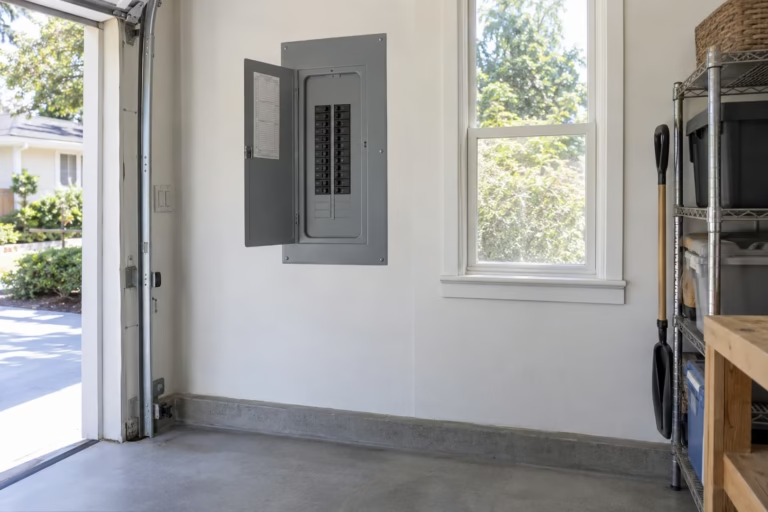
If your house has older solid aluminum wiring on its lighting and receptacle circuits, arrange an assessment by an electrician familiar with that wiring. The main concern is overheating at connections. A working outlet and a breaker that stays on do not establish that those connections are sound.
Repair does not always require a complete rewire. First find out which circuits contain aluminum, what condition they are in and whether their connections can be reached. Planned remodeling matters too. The concern about older small branch-circuit wires does not apply in the same way to every aluminum cable in a home.
Which aluminum wiring is the concern?
CPSC’s Repairing Aluminum Wiring guidance focuses on older aluminum branch circuits and identifies 1965 through the mid-1970s as a relevant installation period. Additions and rewired rooms can contain different wiring from the original house. The guide recommends permanent remediation and warns that failing connections may give no advance warning.
Modern aluminum building wire is a separate subject. Southwire describes the development of newer aluminum alloys and the importance of compatible connections. Its current aluminum service-entrance cable specifications identify 8000-series alloy conductors. Seeing aluminum at a service entrance does not, by itself, tell you what supplies the bedroom outlets.
Ask the inspection report to name the affected circuit types and conductor material. “The house has aluminum” is too broad to define a repair. You need to know whether the finding concerns older solid branch wiring, a larger feeder, copper-clad aluminum or something else.
How can you tell whether the wires are aluminum?
Existing electrical reports, construction records and legible cable markings can help. An electrician checks conductor material and the actual connections under appropriate safe working conditions. Do not remove the panel cover, pull out a receptacle or strip a wire to identify it.
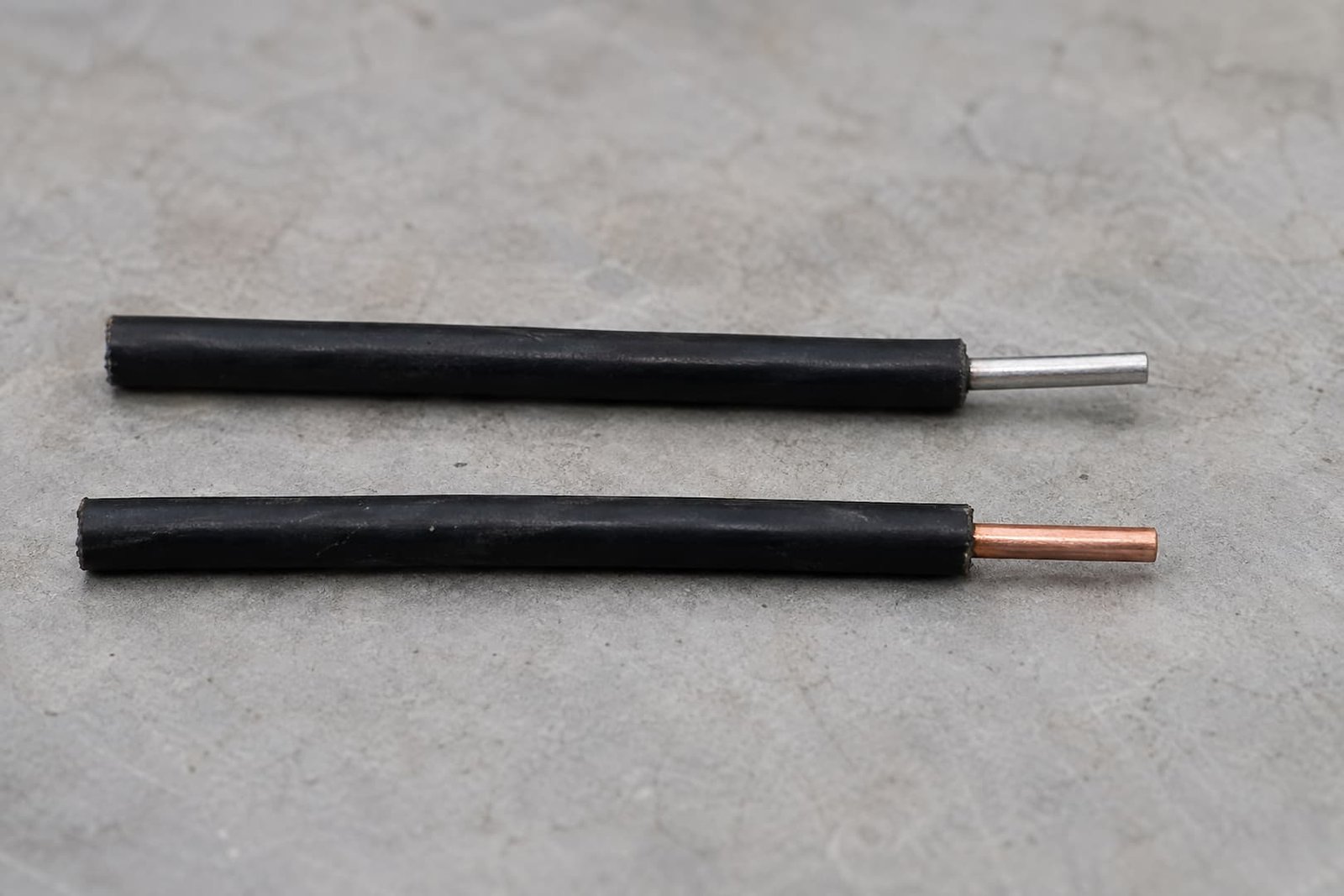
A silver-colored surface is not a complete identification method; some copper conductors have a metallic coating. The color of a cable’s outer jacket is not enough either. If you have a photograph from an inspection, send the entire image and any recorded markings to the electrician instead of trying to expose more wire.
One remodeled room also cannot stand in for the whole house. Ask whether the inspection covered all relevant circuits or only sampled accessible locations. That distinction is especially useful when a seller has supplied a short report or a receipt for an earlier repair.
Why connections can overheat
A connection must hold the conductor securely and remain compatible with its material. Older aluminum installations may have unsuitable terminals or connections that deteriorate over time. Increased resistance at a connection produces localized heat; the problem is not necessarily a whole circuit drawing more current than its breaker allows.
Southwire’s history of aluminum building wire discusses the combination of older alloy properties and connection hardware behind early problems. This is why a repair plan needs to address the termination method, not just replace the visible cover or fit a new-looking device.
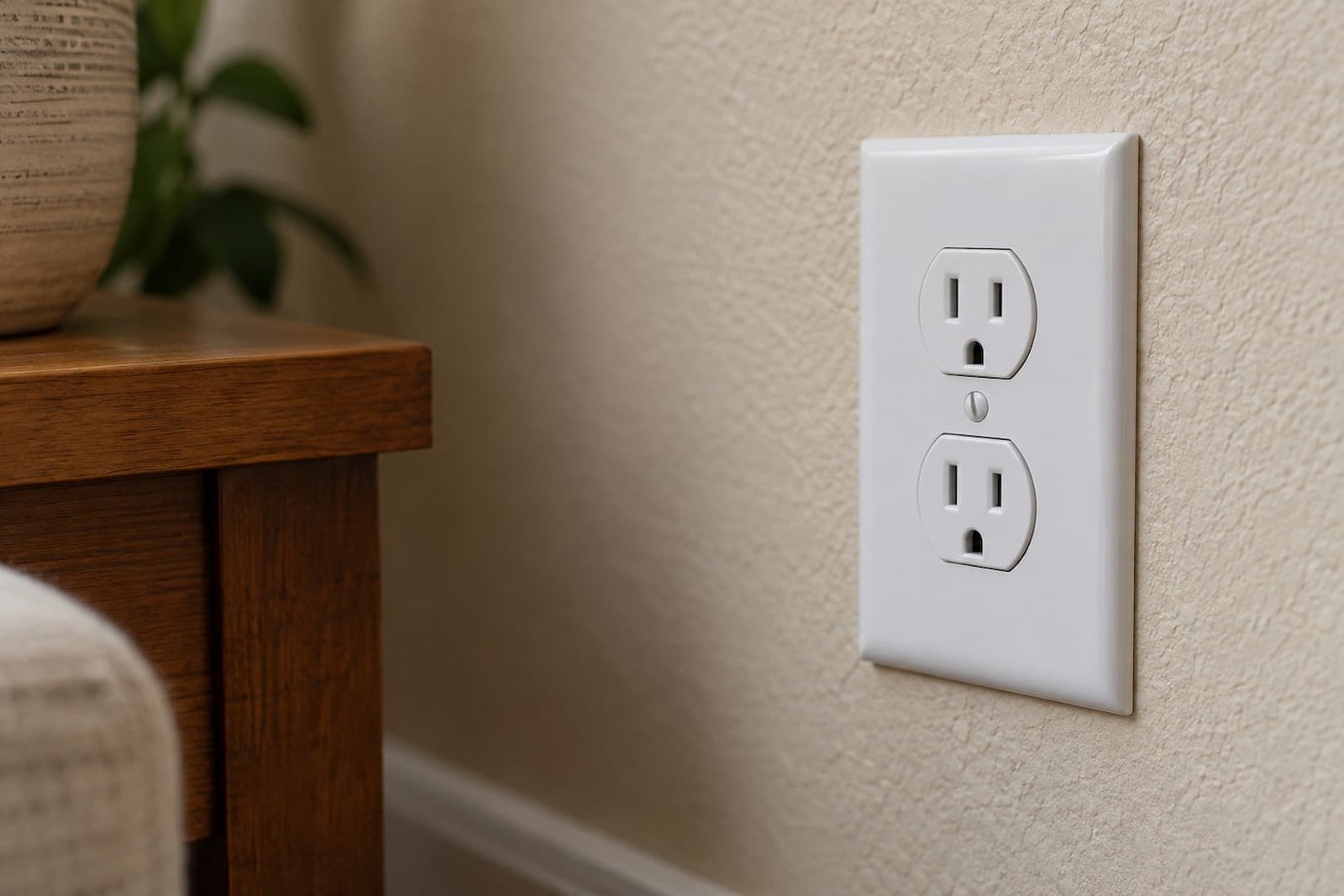
Stop using an affected outlet or switch if you notice burning odor, discoloration, crackling, heat or a shock. Do not touch it to check how hot it is. Arrange prompt electrical help; for smoke or fire, leave and call 911. ESFI’s wiring safety guidance treats these kinds of symptoms as warning signs.
Copper rewiring, COPALUM and AlumiConn
CPSC’s repair guidance identifies copper replacement, COPALUM and, when COPALUM is unavailable, AlumiConn as permanent repair approaches. It calls for addressing all affected aluminum connections, not just a troublesome outlet. Ordinary twist-on pigtails are not its recommended permanent remedy, and replacing devices with CO/ALR versions is an incomplete repair.
| Approach | What the work involves | What to clarify in the estimate |
|---|---|---|
| Copper rewiring | Replace the affected branch wiring with a new circuit system. | Routes, wall access, circuit changes and restoration. |
| COPALUM | Use the manufacturer’s crimp system to attach copper pigtails to aluminum conductors. | Installer authorization, tooling and every connection included. |
| AlumiConn | Use specified setscrew connectors to join compatible conductors in separate ports. | Approved wire combinations, enclosure space and controlled tightening. |
What makes COPALUM different from a general-purpose crimp?
TE Connectivity’s COPALUM system uses dedicated tooling and dies for residential aluminum retermination. It is not a connector that an installer can substitute with an ordinary hand-crimp sleeve. Ask whether the proposed installer is authorized for that system and whether the written scope covers the complete set of affected connections.
What matters with AlumiConn?
AlumiConn is a particular connector system, not a generic name for any aluminum-to-copper splice. King Innovation’s installation instructions specify conductor sizes and materials, one conductor per port and tightening torque that depends on the conductor. They also prohibit reuse. The electrician must follow the exact product instructions and confirm that the box can accommodate the completed work.
An approved connector can still be installed incorrectly. If the house already has pigtails, ask which connectors were used and which circuits were repaired. Request the installation and inspection records if they exist. Leave the boxes closed yourself.
Why new outlets alone do not settle it
The letters CO/ALR identify devices suitable for specified aluminum connections; Leviton explains that designation. The marking concerns the device. It does not describe every connection elsewhere on the circuit or certify that the whole house has been remediated.
The same distinction applies to a GFCI or AFCI upgrade. Those protective devices have specific functions. Fitting one is not evidence that damaged or incompatible connections have been corrected. Keep protection upgrades and aluminum-wiring remediation clearly identified in the estimate.
When a rewire may be the more useful project
If walls are already opening for a substantial remodel, ask for a copper-rewiring option alongside connection repair. The comparison should account for the new outlets, circuits and lighting you want as well as the existing problem. A repair that retains the current circuit layout and a project that replaces that layout do not deliver the same scope.
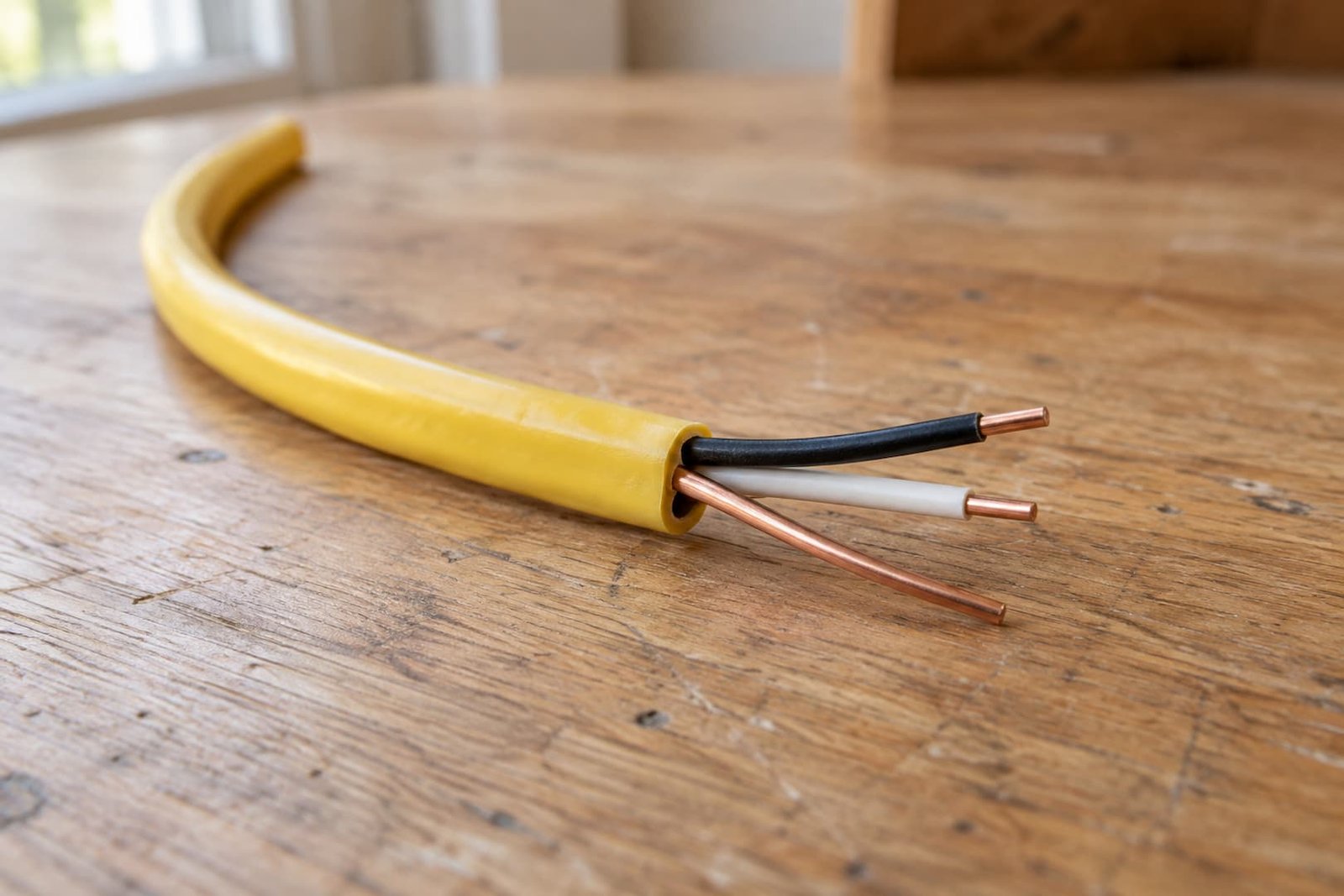
A panel upgrade is another separate decision. It may be needed for equipment condition or a proposed load, but it does not replace the connections throughout existing branch circuits. Ask why panel work is included and what problem it resolves.
If you will be living in the house during the work, ask which rooms the crew needs and when power will be off. Connection repair can require access to devices and fixtures throughout the property. A rewire may also involve wall openings and finishing work. Have the contractor check access before promising minimal disruption.
What affects aluminum wiring repair cost?
The number and location of affected connections matter more than a count of visible outlets. Lighting, junctions and hardwired equipment can change the work. So can crowded enclosures, damaged insulation, inaccessible areas and incomplete earlier repairs. An estimate based only on floor area leaves too many questions unanswered.

-
- Ask for the exact repair method and product system, not just “pigtail aluminum wiring.”
-
- Have the contractor identify the circuits and connection locations included, plus exclusions or uninspected areas.
-
- Separate necessary box or device replacement from optional additions and panel work.
-
- Clarify permits, inspections, diagnostic charges, restoration and how additional findings will be quoted.
-
- Request completion records that state the work performed and any wiring left outside the project scope.
Sacramento homeowners should confirm the applicable jurisdiction and permit requirements with the contractor. The City of Sacramento’s permit guidance includes work on electrical systems. A property outside city limits may be under a different authority.
Questions when buying or insuring the house
Send the actual electrical findings to the insurer and ask what it requires for the property. Do not assume that a repair product’s name guarantees coverage, that a prior owner’s policy will transfer, or that replacing an outlet proves the relevant work is complete. Get any conditions and documentation requirements in writing.
Does aluminum wiring automatically mean a full rewire?
No. A qualified assessment may identify an appropriate connection-repair approach. A rewire may make more sense when condition, access or planned circuit changes justify it. Ask the contractor to explain the choice against the findings in your home.
Can I keep using it if there have never been symptoms?
Absence of symptoms is not a condition report. If older aluminum branch wiring has been identified and its repair history is uncertain, arrange assessment instead of waiting for a failure. An active warning sign needs prompt attention.
For a Sacramento property, start with an electrical assessment from Solir Electric. If replacement is proposed, review the rewiring scope before choosing the work. Call (916) 776-8689 and describe the wiring identified and any records of previous repairs.